
Best Time to Visit Varanasi: A Month-by-Month Guide
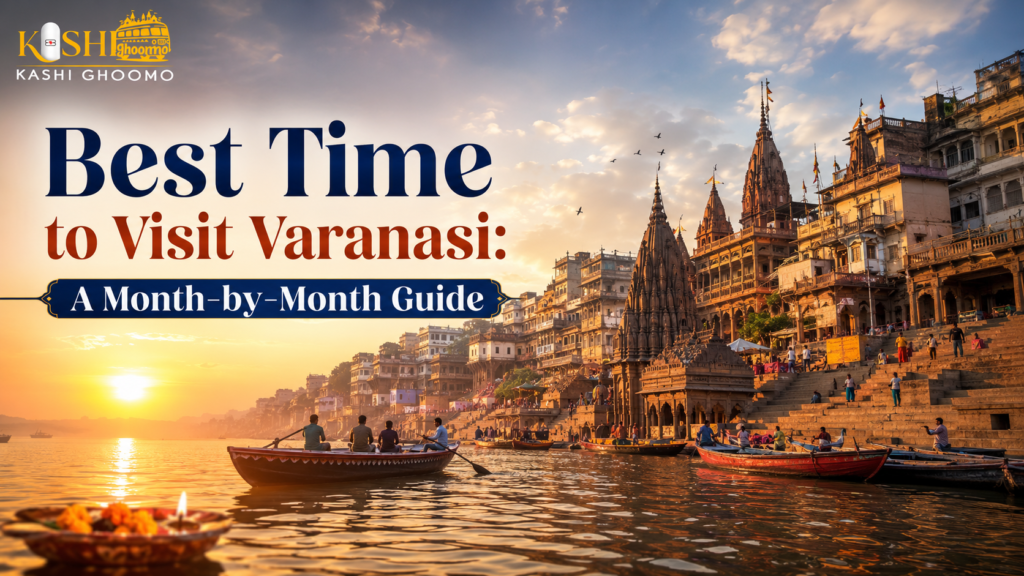
The best time to visit Varanasi is from October to March, when daytime temperatures stay between 15–28°C, skies are clear, and the ghats are at their most walkable. Within this window, November to February is the sweet spot for first-time visitors, offering cool mornings, misty sunrise boat rides, and major festivals like Dev Deepawali and Maha Shivratri. Avoid April to June, when temperatures cross 40°C and outdoor sightseeing becomes exhausting.
Varanasi doesn’t have an “off” season in the way beach destinations do — the ghats, temples, and Ganga Aarti run every single day of the year. But the experience of the city changes dramatically depending on when you go. A misty January sunrise on the Ganga feels nothing like a hazy May afternoon on the same steps. Here’s what to actually expect, month by month, so you can pick the trip that matches what you’re looking for.
Varanasi's Three Seasons at a Glance
| Season | Months | Temperature Range | Best For |
|---|---|---|---|
| Winter | November–February | 5°C–22°C | First-time visitors, photography, festivals |
| Summer | March–June | 30°C–45°C | Budget travel, quiet ghats, spiritual solitude |
| Monsoon | July–September | 25°C–32°C | Lush scenery, dramatic river views, lowest prices |
Month-by-Month Breakdown
October — The shoulder season begins. Monsoon clouds clear out, humidity drops, and evening temperatures turn pleasant while afternoons are still warm. Ganga Mahotsav and early Dussehra celebrations often fall in this window, and hotel rates haven’t yet peaked. A good pick if you want winter weather without winter crowds.
November — Widely considered the best single month to visit. The heat has fully broken, skies are clear for photography, and Dev Deepawali — the “Diwali of the Gods,” when thousands of lamps light up every ghat — usually falls in this month. Book boats and hotels well in advance; this is peak season.
December — The sweet spot of Varanasi’s winter. Daytime temperatures stay comfortable for long ghat walks, evenings turn genuinely cold, and the low humidity makes even crowded temples feel manageable. Mornings on the river are noticeably colder than the city itself, so pack accordingly. Expect the year’s highest hotel rates.
January — The coldest month, with mornings dropping close to single digits and dense fog rolling over the Ganga at sunrise — a favorite for photographers. Makar Sankranti (the kite festival) adds color to the skyline. Layer up: warm mornings and evenings, light layers for the afternoon.
February — Winter’s comfort with none of the deep-morning cold. Warmer, still crowd-friendly, and often home to Maha Shivratri — one of the most spiritually significant festivals in a Shiva-devoted city like Kashi. A strong choice for travelers who want winter weather without peak-season pricing.
March — Temperatures start climbing but remain manageable early in the month. Holi in Varanasi is a legendary, chaotic, color-soaked experience — particularly the Masaan Holi tradition at Manikarnika Ghat. Good for festival-focused travelers willing to trade comfort for atmosphere.
April to June — The hardest months to visit. Daytime highs regularly cross 40°C, and May is typically the peak, with scorching afternoons that make extended outdoor sightseeing genuinely difficult. The upside: rock-bottom hotel prices, empty ghats, and a rawer, quieter version of the city — appealing if you’re here for spiritual reflection rather than sightseeing marathons.
July to September — Monsoon season. The Ganga swells dramatically, sometimes submerging the lower ghat steps, and humidity stays high. But the river views turn dramatic and cinematic, tourist crowds thin out almost completely, and this is by far the most budget-friendly window to visit. Waterproof footwear is essential — the wet stone steps get slippery.
Who Should Visit When
- First-time visitors: November to February — the safest bet for weather, comfort, and full access to everything the city offers.
- Festival travelers: November (Dev Deepawali), February–March (Maha Shivratri, Holi), October (Dussehra).
- Budget travelers: July to September — lowest hotel and package prices, fewer tourists.
- Photographers: November–December for golden-hour clarity, August for dramatic monsoon light.
- Spiritual seekers wanting solitude: April to August — thinner crowds, a slower, more contemplative Kashi.
What to Pack by Season
- Winter (Oct–Mar): Warm layers for early-morning boat rides, light cotton for the day, a scarf that doubles as a temple head-covering, comfortable walking shoes for the ghats’ uneven stone steps.
- Summer (Apr–Jun): Loose breathable cotton or linen, a wide-brimmed hat, sunglasses, and a refillable water bottle — dehydration is the biggest risk in this window.
- Monsoon (Jul–Sep): Quick-dry clothing, a compact umbrella or raincoat, waterproof sandals rather than regular shoes, and insect repellent.
- Year-round: Shoulders and knees covered for temple visits, regardless of season.
Planning your Varanasi trip around the right season? Kashi Ghoomo has been guiding travelers through Kashi since 2018 — from sunrise boat rides to festival-week stays. Book your Varanasi tour package today and we’ll help you plan around the season that fits you best.
FAQs: Best Time to Visit Varanasi
A: November is generally considered the best month — comfortable temperatures, clear skies, and the Dev Deepawali festival, when every ghat is lit with lamps.
Prices are per boat, not per person. Small wooden rowboats (2–5 persons) cost ₹300–₹600. Medium boats (6–12 persons) cost ₹600–₹1,200. Large boats (13–25 persons) cost ₹1,200–₹2,500. Motor boats run ₹800–₹1,500, and private decorated boats go from ₹1,500–₹4,000. On a shared basis, you can pay as little as ₹100–₹300 per person. Prices rise 30–50% during peak season.
A: Not necessarily. It’s hot and humid with heavy rain, but the river views are dramatic, crowds are thin, and hotel and package prices drop significantly. It suits travelers who don’t mind rain over comfort.
A: Yes, especially in January, when early mornings can drop close to freezing and dense fog covers the ghats. Days are still comfortably warm, so light layers work well.
A: Most travelers need at least 2–3 days to cover the major ghats, Kashi Vishwanath Temple, and a Ganga Aarti, though many extend their stay once they experience the city’s pace.
Dashashwamedh Ghat hosts the grander, large-scale evening aarti with 7 priests performing simultaneously — ideal for first-time visitors and photography. Assi Ghat has a smaller, more intimate morning aarti (5:30–7:00 AM) that is calmer and more devotional, best suited for repeat visitors or those seeking a meditative experience. Most visitors are advised to start with Dashashwamedh.

Best Time to Visit Varanasi: A Month-by-Month Guide
Best Time to Visit Varanasi: A Month-by-Month Guide The best time to visit Varanasi is from October to March, when

Why is Varanasi Known as the City of Lord Shiva? History, Mythology & Legends of Kashi
Why is Varanasi Known as the City of Lord Shiva? History, Mythology & Legends of Kashi If you have ever

Sarnath Day Trip from Varanasi — Complete Day Trip Guide
Sarnath Day Trip From Varanasi — Complete Day Trip Guide Introduction: Why Visit Sarnath day trip from Varanasi? Planning a

Varanasi Itinerary 3 Days: A Complete Guide to Experiencing the City of Moksha
Varanasi Itinerary 3 Days: A Complete Guide to Experiencing the City of Moksha How Can You Experience Everything Varanasi Has

Best Food to Eat in Varanasi — Your Complete Guide to Kachori, Lassi, Paan
Best Food to Eat in Varanasi — Your Complete Guide to Kachori, Lassi, Paan If you are visiting Varanasi for

How to Book Ganga Aarti Boat – Your Complete Guide
How to Book Ganga Aarti Boat – Your Complete Guide “There is no experience quite like watching the Ganga Aarti